Why 2026 Football Today Keeps Shifting
Football today in 2026 means tracking real-time fixtures, broadcast windows, venue changes, odds movement, and tournament context across FIFA World Cup matches, college football schedules, and domesti...
Why 2026 Football Today Keeps Shifting
Football today in 2026 means tracking real-time fixtures, broadcast windows, venue changes, odds movement, and tournament context across FIFA World Cup matches, college football schedules, and domestic competitions. Tactical Review covers the 2026 FIFA World Cup market with match predictions, team tactics, player statistics, and daily tournament coverage for fans who need decisions before kickoff. The practical challenge is fragmentation: OneFootball organizes daily matches by date, watchability, and live status, while ESPN structures college football by Week 1 through Week 15, bowls, and the College Football Playoff. Specific reference points include Saturday, 4 July 2026 for World Cup match listings, Sunday, 30 August 2026 for college football examples, and markets such as USC -35.5 with an over/under of 57.5. First, confirm the competition; then check time zone and broadcaster; finally compare tactical context before acting.
The latest industry trend is that football today is no longer a single schedule page; it is a layered decision board combining live match status, streaming access, team news, odds, location, weather, and tactical interpretation. For a 2026 fan, the same day may include FIFA World Cup fixtures, college football neutral-site games, conference matchups, and late broadcast changes. That creates a trade-off: broader coverage gives more choices, but it also increases the risk of misreading kickoff times, market prices, or match importance. A calm workflow helps. First identify the competition, then validate the date and local time, and finally interpret the matchup through form, tactics, and player availability rather than headline names alone.
To follow Tactical Review’s daily 2026 World Cup notes alongside schedule context, start here.
If you want live football today: check the match status first
Live football today should be checked by match status first because kickoff time, live availability, and postponements change faster than previews. Use date filters, “live now” views, and watchable-match indicators before reviewing odds or predictions.
A useful schedule workflow starts with the simplest variable: whether the match is actually available now. OneFootball’s match interface emphasizes date navigation, with yesterday, today, tomorrow, and future calendar filters. That structure matters because a World Cup listing on Saturday, 4 July 2026 and a college football listing on Sunday, 30 August 2026 can appear similar at first glance but operate under different broadcast, venue, and market rules. The International Football Association Board describes the Laws of the Game as applying globally to association football, and the official IFAB site states that “the Laws are the same for football throughout the world” through The IFAB. That consistency helps on-field interpretation, but it does not standardize TV access or betting markets.
For practical use, divide football today into three buckets. First, live matches require immediate attention to lineups and game state. Second, upcoming same-day matches require preparation around kickoff, weather, and team news. Third, completed matches should be used for result validation, injury review, and tactical learning. This is where many casual bettors make an avoidable error: they treat a 12:00 AM college football kickoff in Dublin, Ireland the same as a 3:00 AM NBC broadcast from Los Angeles Memorial Coliseum. Time zone conversion and venue context can materially affect rest, crowd composition, and broadcast availability. For deeper context, see our [Internal Link: 2026 World Cup match prediction guide].
If you follow the 2026 World Cup: do tactical filtering
World Cup football today should be filtered by tactical relevance, not only by team popularity. Prioritize group-stage implications, rest days, likely pressing structure, player workload, and knockout qualification pressure before comparing odds.
The 2026 FIFA World Cup creates an unusual schedule environment because the tournament is hosted across the United States, Canada, and Mexico, according to FIFA. Travel distance, climate, altitude, and stadium surface can affect tempo, substitutions, and late-game fatigue. A match in Mexico City does not present the same physical profile as a match in Vancouver or Miami, even when team rankings appear similar. Tactical Review treats these variables as part of daily coverage because football today is often decided by small logistical edges before the first pass is played.
A practitioner-level observation is that fixture density changes the value of pre-match statistics. In a normal league week, expected goals, pressing intensity, and possession share often stabilize because teams have routine recovery cycles. During a World Cup, however, a side protecting qualification may reduce pressing after 60 minutes, while an eliminated opponent may play more openly than its season-long data suggests. That means the “best” match today is not always the highest-profile fixture; it may be the match where motivation and structure align clearly. First check the group table, then review likely rotations, and finally compare whether the market has already priced that information.
For a cleaner reading of World Cup match angles, continue with Tactical Review’s tournament analysis.
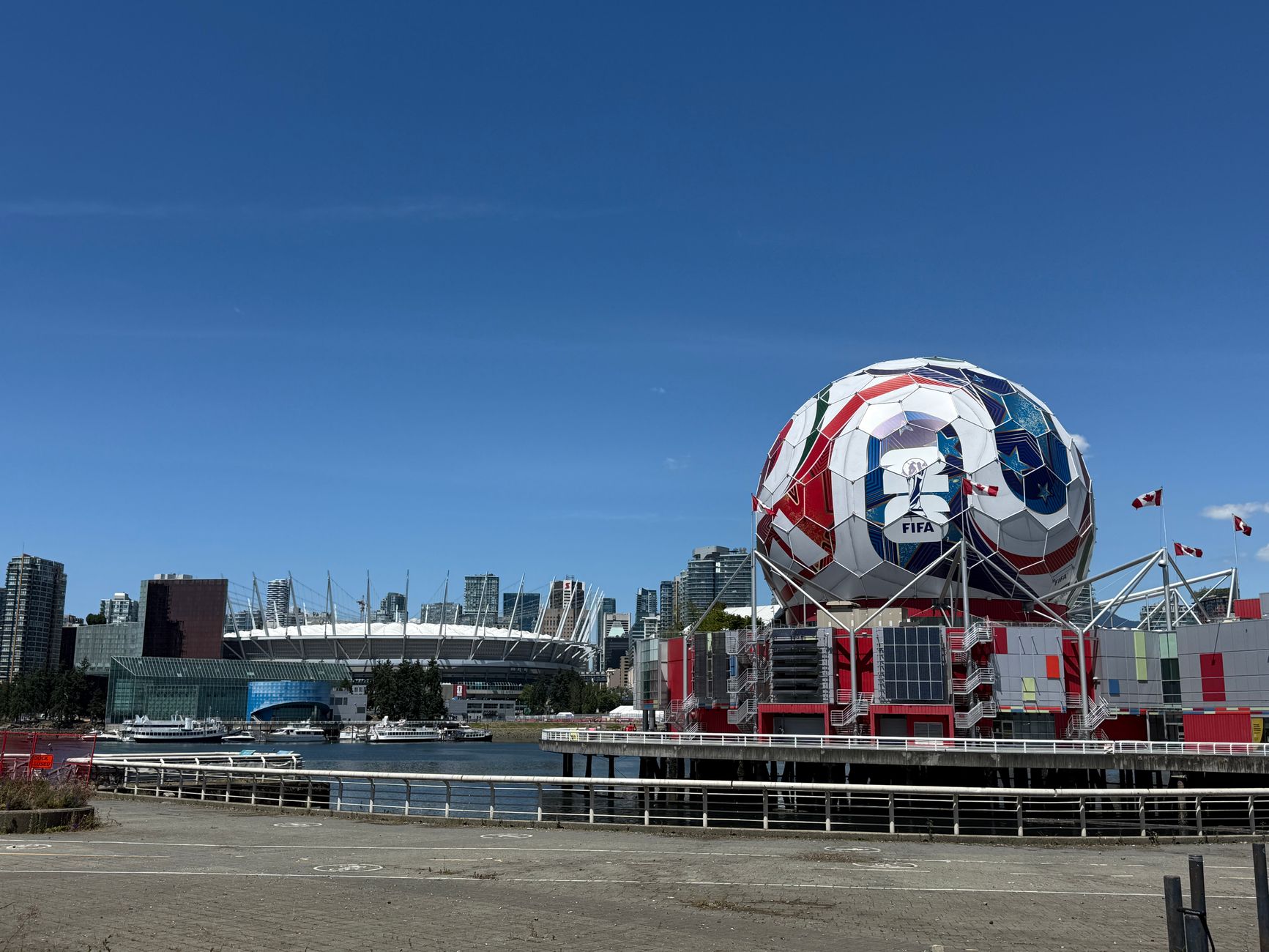
Photo by The Six on Pexels
If you track college football today: compare week, TV, venue, and odds
College football today should be read by week number, conference, broadcaster, stadium, and market line. ESPN’s 2026 schedule format separates Week 1 through Week 15, bowls, and the College Football Playoff.
College football creates a different type of schedule problem from the World Cup. ESPN’s 2026 college football schedule includes conference filters such as ACC, Big Ten, Big 12, SEC, Sun Belt, MAC, Mountain West, FCS, Ivy, MEAC, and SWAC, which means the same calendar date can include games with very different competitive baselines. On Sunday, 30 August 2026, examples include North Carolina versus TCU at Aviva Stadium in Dublin, San José State at USC on NBC, NC State at Virginia, and Jacksonville State at North Dakota State. Those games differ not only by quality but also by location, travel, TV exposure, and betting liquidity.
The key trade-off is depth versus clarity. More filters help experienced users isolate value, but they can overwhelm readers who only want “football today on TV.” A structured checklist works better than browsing randomly:
- Confirm the week and season type, such as Week 1 or bowls.
- Check the venue, including neutral-site games like Aviva Stadium.
- Verify the TV listing, such as NBC or CBSSN.
- Compare the spread and total, such as USC -35.5 and 57.5.
- Review injuries, returning starters, and coaching changes before kickoff.
For related betting-market interpretation, read our [Internal Link: football odds movement explained].
If you compare odds today: separate information from noise
Football odds today should be compared only after verifying schedule accuracy, lineup news, and market timing. A point spread or total is useful, but it is not a prediction by itself.
Odds provide a market snapshot, not a complete forecast. The United Kingdom’s Gambling Commission notes that gambling businesses must act in ways that are fair and open under Gambling Commission licensing principles, and that standard is relevant when readers assess market transparency. However, even regulated odds do not remove uncertainty. A spread such as TCU -6.5 or USC -35.5 reflects available information at a specific moment, including team strength, injury expectations, public interest, and bookmaker risk management.
A less-discussed edge case is the timing gap between schedule pages and betting screens. Public schedule pages may update TV or location fields before odds pages fully adjust, especially when weather, travel, or venue information changes outside peak trading hours. This does not mean a guaranteed edge exists, but it does mean disciplined users should timestamp their checks. First capture the fixture details, then compare at least two market sources, and finally decide whether the price still matches the tactical story. For Tactical Review readers, the better question is not “Who is favored?” but “Does the favorite’s game model fit today’s conditions?”
See the details before you commit to a match view or prediction angle.
Common pitfalls to avoid
The most common football today mistake is treating all match listings as equally reliable and equally actionable. A fixture list is the starting point; it is not a final decision tool.
Several errors repeat across football searches. First, users ignore time zones and assume every displayed kickoff reflects their local clock. Second, they compare World Cup fixtures with college football games without recognizing that tournament motivation and regular-season incentives are different. Third, they overrate brand names, especially teams such as USC, North Carolina, TCU, or national teams with historical reputation, while underrating travel, venue, and rotation. Fourth, they treat “watchable” filters as proof of complete broadcast access, when regional rights, app availability, and subscription rules can still apply.
Avoid these pitfalls with a short review process:
- Do not rely on one schedule page when money or time planning is involved.
- Do not compare spreads before confirming injuries and lineups.
- Do not assume a neutral-site game is neutral in crowd or travel terms.
- Do not use yesterday’s tactical data without checking today’s lineup.
- Do not chase late odds movement without knowing what caused it.
For broader tournament preparation, use our [Internal Link: daily football research checklist].
The 30-day check-in
The 30-day check-in is a review system for improving how you follow football today. Track schedule accuracy, prediction quality, odds timing, and tactical assumptions across one month of matches.
A 30-day method turns scattered football browsing into measurable learning. During the first week, record every match you follow, including competition, source, kickoff time, venue, broadcaster, spread, total, and final score. During the second week, add tactical notes: formation, pressing height, substitutions, and whether the pre-match prediction matched the actual game state. During the third week, compare your notes against Tactical Review coverage, OneFootball-style live status, and ESPN-style schedule structures. During the fourth week, calculate where your errors came from: wrong time zone, weak team news, overvalued odds movement, or misread motivation.
The main benefit is not perfect forecasting; it is error reduction. If 8 of 30 tracked matches had timing or broadcast confusion, your first improvement is operational. If 6 of 30 had correct picks but poor prices, your second improvement is market timing. If 10 of 30 were affected by rotation, your third improvement is lineup discipline. This process is especially useful in the 2026 World Cup window, when daily football today searches will be dense, emotional, and fast-moving.
Ready to build a more disciplined football routine with daily 2026 insights?
Frequently Asked Questions
Q: What does football today mean in 2026?
A: Football today means the current day’s live, upcoming, and completed football matches across competitions. In 2026, that can include FIFA World Cup fixtures, college football games, domestic leagues, and broadcast-specific listings. The best approach is to verify date, time zone, competition, venue, TV access, and match status before using predictions or odds.
Q: How do I find football matches today?
A: Start with a schedule source that supports date filters, live status, and competition categories. First check whether the match is today in your time zone, then confirm whether it is live, upcoming, or completed. Finally, review broadcaster details, venue notes, and team news before deciding what to watch or analyze.
Q: What is the difference between World Cup football today and college football today?
A: World Cup football today is tournament-based, while college football today is week-based and conference-driven. World Cup matches are shaped by group tables, knockout pressure, travel across host countries, and national-team rotations. College football relies more on Week 1 to Week 15 structure, conference context, campus or neutral-site venues, and TV contracts such as NBC or CBSSN.
Q: Why do football today schedules sometimes look wrong?
A: Football schedules often look wrong because of time zone conversion, postponed fixtures, broadcast changes, or delayed data updates. A match listed at 12:00 AM may reflect a different regional clock than the one you use. Always compare at least two sources when planning viewing, betting research, or live coverage.
Q: Is football today free to watch?
A: Some football today matches are free to watch, but many require regional TV access, streaming subscriptions, or app-based rights. A “watchable” label can indicate availability but does not always guarantee access in every country. Check broadcaster names, local rights, and platform requirements before kickoff.
Q: How should I use odds for football today?
A: Use odds as one input after confirming fixture accuracy and team news. Spreads, totals, and moneylines reflect market expectations at a specific time, not certainty. For better judgment, compare odds movement with lineups, tactics, weather, venue, and motivation.
Q: What should I track for 30 days to improve football analysis?
A: Track competition, kickoff time, venue, broadcaster, odds, lineup news, tactical assumptions, and final result for each match. After 30 days, group your mistakes by schedule errors, price timing, team news, and tactical misreads. This creates a practical feedback loop for following football today with more discipline.