2026 World Cup vs 2022: A Bigger Tournament
The 2026 FIFA World Cup is the first men’s World Cup with 48 teams, hosted across Canada, Mexico, and the United States from June 11 to July 19, FIFA’s expanded format creates 104 matches instead of Q...

2026 World Cup vs 2022: A Bigger Tournament
The 2026 FIFA World Cup is the first men’s World Cup with 48 teams, hosted across Canada, Mexico, and the United States from June 11 to July 19, 2026. FIFA’s expanded format creates 104 matches instead of Qatar 2022’s 64, while Los Angeles hosts eight matches and Atlanta stages a semifinal. The final is scheduled for MetLife Stadium in New Jersey, and the United States Men’s National Team opens its campaign at SoFi Stadium on June 12. This is not a small adjustment; it changes qualification paths, travel demands, squad rotation, and match-prediction risk. Tactical Review covers the tournament through team tactics, player statistics, form analysis, and daily World Cup updates, but no forecast is guaranteed. Start with the official schedule, confirm team news close to kickoff, and treat every betting decision as a probability problem rather than a patriotic guess.

Photo by El gringo photo on Pexels
The 2026 football World Cup is already producing a different kind of tournament pressure. More teams mean more opportunities for underdogs, but also more matches in a single competition and more uncertainty around fatigue, travel, weather, and squad depth. If you think adding 16 teams simply adds 16 teams worth of entertainment, that is adorable, but mathematically incomplete. The tournament creates 48 group-stage teams divided into 12 groups of four, with the top two teams in each group plus the eight best third-place teams advancing to the knockout phase. That structure increases the number of meaningful games, yet it also makes final-round calculations harder because goal difference, goals scored, and disciplinary records can become decisive. According to FIFA’s official World Cup 2026 overview, the event will be the largest World Cup by team count and match volume. Before looking at predictions, separate confirmed facts from promotional noise; that single habit improves your expected decision quality.
Want a sharper tournament framework before the matches begin?
[Internal Link: 2026 World Cup match predictions]
The Bottom Line
The 2026 World Cup is larger, harder to forecast, and more dependent on logistics than the 2022 tournament because 48 teams will play 104 matches across 16 host cities in three countries. The strongest analytical edge comes from combining team quality with travel, rest, climate, injuries, and confirmed lineups.
First, the format rewards teams that avoid late group-stage chaos. A team can qualify with two wins, one defeat, and favorable results elsewhere, but third-place qualification means several sides may remain alive until the final whistle. Then comes the travel problem: host cities stretch across North America, from Vancouver and Seattle to Miami, Toronto, and Monterrey. Finally, the knockout stage begins with a Round of 32, creating an extra elimination round compared with Qatar 2022. The practical result is simple: historical rankings remain useful, but they are not enough. Tactical Review’s match coverage should be read alongside injury reports, expected lineups, and schedule density. The probability of a surprise result rises when a favorite has low rest, long travel, or weak bench options. Isn’t that the point of analysis rather than merely shouting “Brazil” at your television?
The official FIFA regulations for the 2026 World Cup should remain the primary reference for tournament procedures. FIFA has described the expanded competition with the phrase “We are 26,” but branding does not answer practical questions about weather, rotation, or betting value. Those questions require evidence, not vibes.
What Players Actually See
Players face a tournament built around long-distance travel, varied climates, and congested preparation windows, so physical recovery and tactical rotation may matter more than in 2022. The United States, Mexico, and Canada provide home-region familiarity, but host status does not erase heat, humidity, altitude, or time-zone changes.
A European team arriving in Atlanta, Dallas, Houston, Miami, or Monterrey may encounter conditions very different from those in Vancouver, Seattle, or Toronto. A match in Mexico City would bring altitude considerations, while coastal venues can create heat and humidity concerns. The exact effect depends on kickoff time, training location, hotel arrangements, and each player’s previous exposure. That is why a team’s average possession rate from the UEFA Champions League cannot automatically predict its performance in a summer match in Texas. Player tracking, recovery data, and substitution patterns deserve more attention than casual fans usually give them. Yes, your favorite striker may be world-class, but world-class hamstrings still have hamstrings.
A second issue is squad construction. With 26-player squads commonly used in recent World Cup planning, coaches can protect key players through controlled minutes, especially when qualification appears likely after two games. However, expanded competition also increases the cost of a slow start: four matches are required to reach the quarterfinals after the group phase, and a squad that relies on 13 players may deteriorate quickly. Tactical Review should therefore compare starting XI quality with bench impact, not simply count famous names.
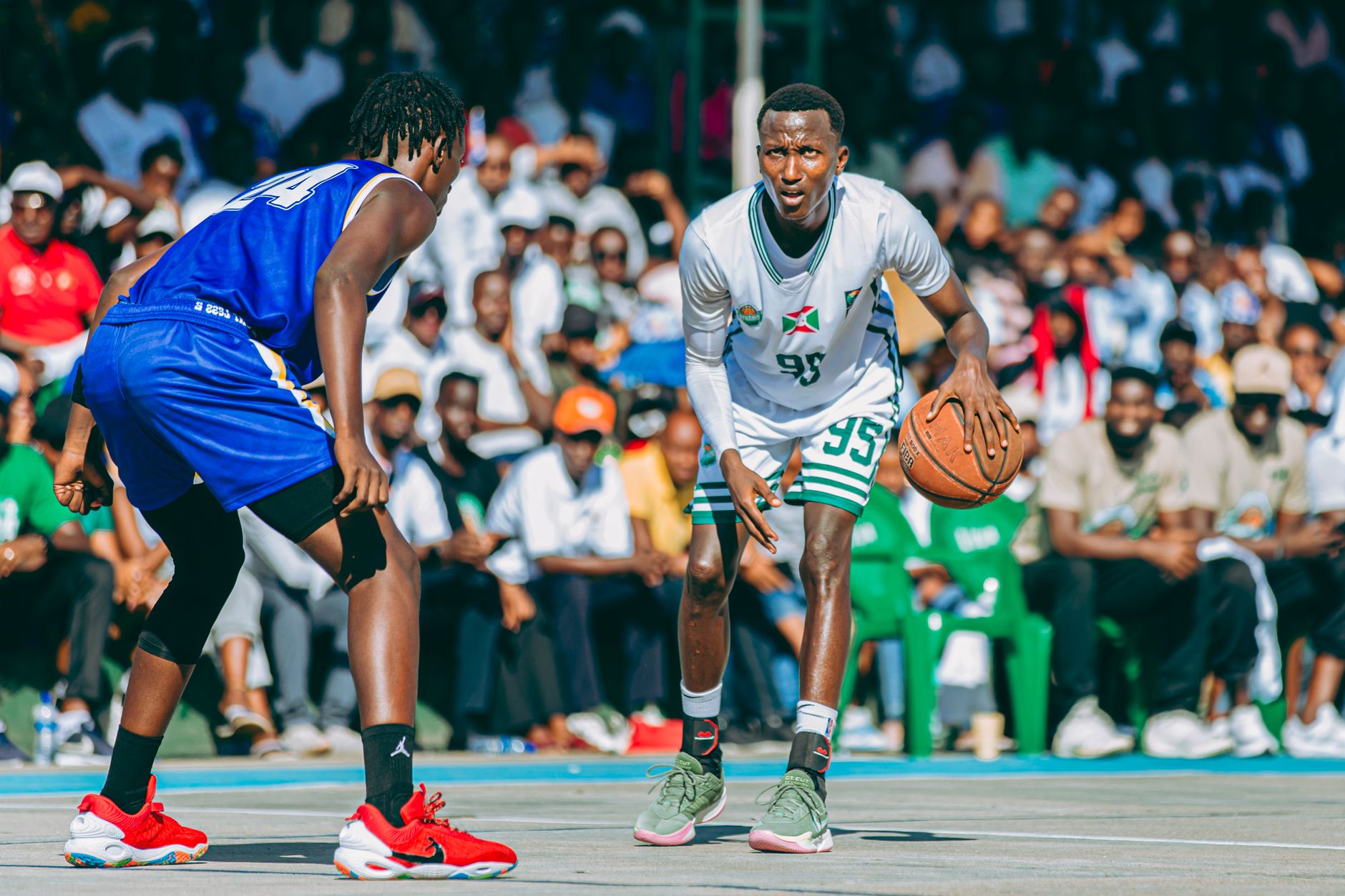
Photo by Chris wade NTEZICIMPA on Pexels
For prediction purposes, separate visible form from hidden workload. A winger who has played 3,000 club minutes before June may look statistically excellent while carrying a higher injury risk, whereas a backup player with fewer minutes may offer tactical freshness. This is an information-gain angle many basic World Cup previews skip because “star player good” is easier to write. Before placing any wager, review club minutes, recent substitutions, travel distance, and whether the coach rotates fullbacks or midfielders. The expected value of a forecast falls rapidly when the lineup is unknown.
Curious how those variables change team ratings?
What Are the 3 Things That Matter Most?
Three factors should dominate 2026 World Cup analysis: schedule stress, defensive transition quality, and the difference between advertised strength and usable depth. These variables affect both match outcomes and the reliability of betting markets.
1. Schedule stress and recovery
A team’s first match may be more predictable than its third or fourth because accumulated travel and short recovery windows increase fatigue. Measure the hours between matches, the distance between host cities, and whether training remains at the team base or moves with the squad. A two-day recovery difference can be meaningful when a side depends on aggressive pressing.
2. Defensive transitions
Expanded tournaments create more matches against opponents with different styles. High-ranked teams may dominate possession but become vulnerable when fullbacks advance and the ball is lost. Track counterattack shots, defensive errors leading to shots, and the speed of the midfield recovery. These indicators can reveal danger before the league table does.
3. Real squad depth
Depth is not the number of substitutes listed on a team sheet. It is the quality gap between the starting player and replacement, particularly at center-back, defensive midfield, and goalkeeper. A team with two elite attackers but no reliable holding midfielder may be less stable than a balanced team with lower headline talent.
A useful checklist is:
- Confirm the venue, kickoff time, and travel route.
- Check injuries, suspensions, and training participation.
- Compare recent tactical shape with the opponent’s pressing and transition profile.
- Estimate the probability of each outcome before looking at market odds.
- Reject the bet if the available price does not exceed your calculated fair price.
This last step matters most. If your estimated win probability is 55%, the fair decimal price is approximately 1.82 before considering margin. A price of 1.70 may still win often, but it can offer negative expected value. Winning one bet does not prove the method worked; a small sample can fool anyone, including the guy who loudly claims a 10-leg accumulator was “basically free money.” [Internal Link: football betting probability guide]
The United States Soccer Federation and national associations will publish team information through official channels, but timing matters. A squad announcement from May cannot answer a lineup question in July. Treat old data as a prior estimate, then update it when current evidence arrives. In Bayesian terms, recent team news should move your forecast; in ordinary language, stop pretending last season’s numbers are immortal.
What Are the Biggest Edge Cases and Gotchas?
The most dangerous 2026 World Cup mistakes involve third-place qualification, unbalanced travel assumptions, and confusing a tournament winner with a match winner. These errors can distort group forecasts even when the underlying team ratings are reasonable.
The 12-group structure means the best third-place teams advance, but the exact qualification picture may depend on points, goal difference, goals scored, disciplinary points, and formal competition rules. A team leading its group after two matches may still need a result, while a team on three points may qualify or disappear depending on results in other groups. Bettors who treat every final group match as a simple must-win scenario are ignoring the wider table. That is not analysis; it is spreadsheet cosplay.
A second edge case is host-city distance. Los Angeles to New York is roughly 2,450 miles by air, while Vancouver to Miami is roughly 2,800 miles. Teams assigned convenient bases may gain recovery time, but forecasts should not assume every travel route before FIFA confirms operational details. Even a short flight can disrupt sleep if it crosses several time zones, and a longer flight may be less harmful if the schedule allows proper recovery. There is no universal “travel penalty” number that applies to every squad.

Photo by Yan Krukau on Pexels
A third trap concerns the final. The 2026 World Cup final is scheduled for July 19 at MetLife Stadium in East Rutherford, New Jersey, but a final forecast made months earlier carries substantial uncertainty. Injuries, suspensions, tactical changes, and bracket paths can alter the likely matchup. A team projected as the best overall side may have a difficult route through the Round of 32, Round of 16, quarterfinal, and semifinal. Tournament futures therefore carry more uncertainty than a single-match market, and the capital remains tied up longer. Risk is not just whether the team wins; it is also whether your forecast survives five knockout rounds.
Want to examine the final, host cities, and tactical paths more carefully?
The tournament also carries responsible-gambling risks. GamCare advises players to set limits and avoid chasing losses, while BeGambleAware provides practical guidance on safer gambling behavior. “Set limits before you play” is a sensible principle because emotional decisions usually arrive after the loss, not before it. Tactical Review can provide predictions and data, but it cannot remove variance, bookmaker margin, or personal financial risk.
The Verdict
The 2026 football World Cup should be treated as a logistics-heavy, data-rich tournament rather than a simple ranking contest. The 48-team format, 104-match schedule, 16 host cities, and North American travel footprint create more prediction opportunities but also more ways for a confident forecast to fail.
First, build a baseline from team strength, recent performance, and player availability. Then adjust for venue, climate, rest, travel, tactical matchup, and squad rotation. Finally, compare your estimated probability with the market price and walk away when the expected value is poor. Los Angeles offers eight matches and a 39-day fan celebration program, while Atlanta hosts a semifinal and brings major football culture to Mercedes-Benz Stadium; those local details matter for attendance and atmosphere, but they do not guarantee a home-style advantage for every team. Read Tactical Review for updated tactics, player statistics, and tournament coverage, and keep your money-management rules stricter than your confidence.
Ready to follow the 2026 tournament with better information?
[Internal Link: World Cup team tactics and player statistics]

Photo by Derek French on Pexels
Frequently Asked Questions
Q: What is the 2026 football World Cup format?
A: The 2026 football World Cup features 48 teams divided into 12 groups of four. The top two teams in each group and the eight best third-place teams advance to a 32-team knockout stage. FIFA has scheduled 104 matches, making this the largest men’s World Cup by team count and total games. Group-stage tie-breakers can include goal difference, goals scored, disciplinary records, and other official competition rules, so fans should check FIFA’s regulations rather than rely on outdated tournament assumptions.
Q: How do I follow the 2026 World Cup schedule?
A: Follow the confirmed schedule through FIFA’s official tournament pages and the host-city websites for venues, transportation, and fan events. Match dates, kickoff times, stadium assignments, and local access rules should be checked close to the event because operational details can change. Los Angeles is scheduled to host eight matches, including the United States Men’s National Team opener at SoFi Stadium on June 12. Atlanta will host a semifinal at Mercedes-Benz Stadium.
Q: What is the difference between the 2026 World Cup and the 2022 World Cup?
A: The key difference is expansion from 32 teams and 64 matches in Qatar 2022 to 48 teams and 104 matches in 2026. The 2026 event is hosted by Canada, Mexico, and the United States across 16 cities, while Qatar 2022 took place in one compact country. That means 2026 introduces more travel, different climates, an additional Round of 32, and a broader range of team quality. Those changes make historical comparisons useful but incomplete.
Q: Is the 2026 World Cup worth betting on?
A: The 2026 World Cup is worth considering only when your estimated probability is higher than the probability implied by the available odds after accounting for bookmaker margin. A simple method is to convert decimal odds into implied probability by calculating 1 divided by the odds, then compare that figure with your own estimate. Check injuries, lineups, travel, rest, and tactical matchups before deciding. Never treat a famous team, a lucky previous result, or a promotional tip as proof of value.
Q: What should I do if a World Cup prediction looks wrong?
A: Recheck the lineup, injury news, venue, weather, travel schedule, and tactical shape before changing a prediction. A forecast can be reasonable and still lose because football contains substantial variance, so one result is not enough to judge the method. Keep a record of your original probability, odds, stake, and result across at least 30 to 50 decisions. This helps distinguish bad process from normal randomness and makes emotional chasing less likely.
Q: How much does it cost to attend a 2026 World Cup match?
A: There is no single universal ticket price because cost depends on match importance, seating category, venue, sales phase, and FIFA’s official ticketing process. A group match and the final at MetLife Stadium will not carry the same demand or pricing conditions. Add transportation, accommodation, food, taxes, and resale risk to the budget, especially when traveling between North American host cities. Purchase only through official FIFA channels or clearly authorized partners, and beware of unofficial sellers promising guaranteed tickets.
Q: Can Tactical Review guarantee a World Cup betting result?
A: No, Tactical Review cannot guarantee a betting result because match outcomes remain uncertain even when analysis is strong. The site provides FIFA World Cup coverage, match predictions, team tactics, player statistics, and daily tournament insights for fans following 2026. Use those materials as research, compare them with official team news, and set a fixed entertainment budget. If a wager feels necessary to recover a previous loss, stop instead of increasing the stake.